Kuhestan Birding
Kuhestan Birding
Kuhestan Birding

Birding at the Edge of the Ancient Woodbush Forest

Birding at the Edge of the Ancient Woodbush Forest

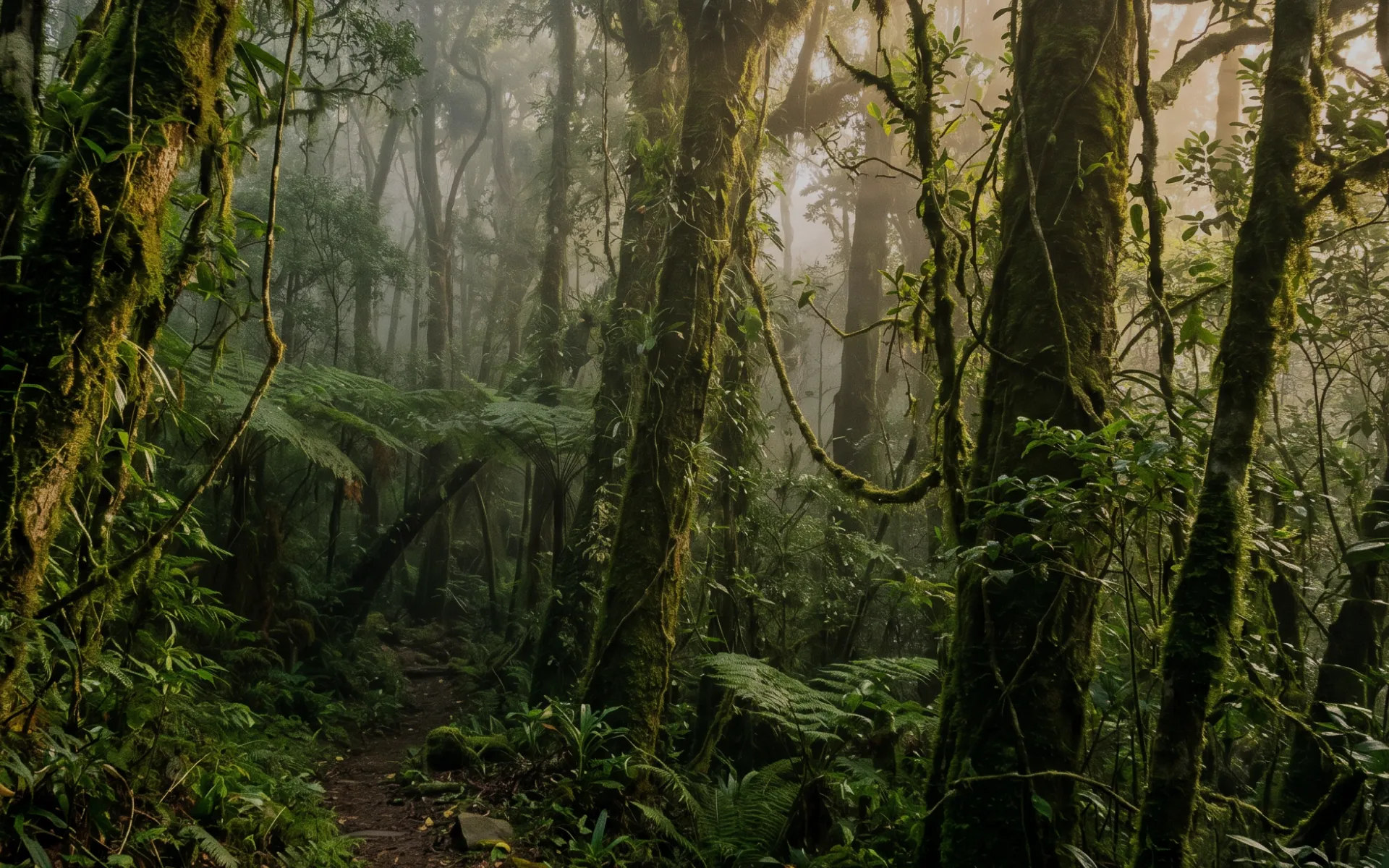
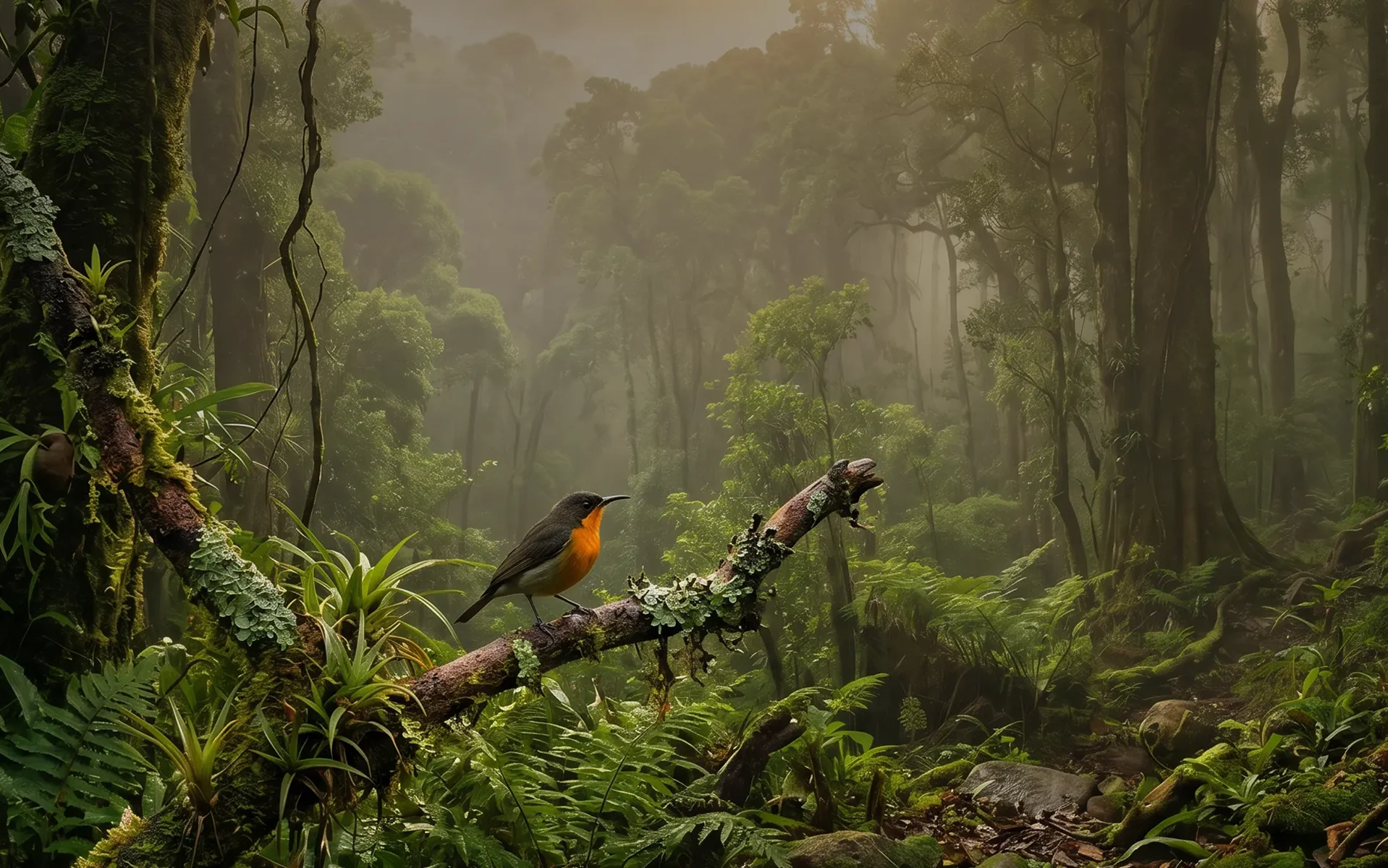
Set on the edge of an ancient forest, Kuhestan is a rewarding destination for bird enthusiasts, with opportunities to spot some of South Africa's sought-after forest specials in a remarkable natural setting. The Woodbush Forest Reserve is the second largest indigenous Afromontane forest in South Africa and one of its richest for forest birding. 
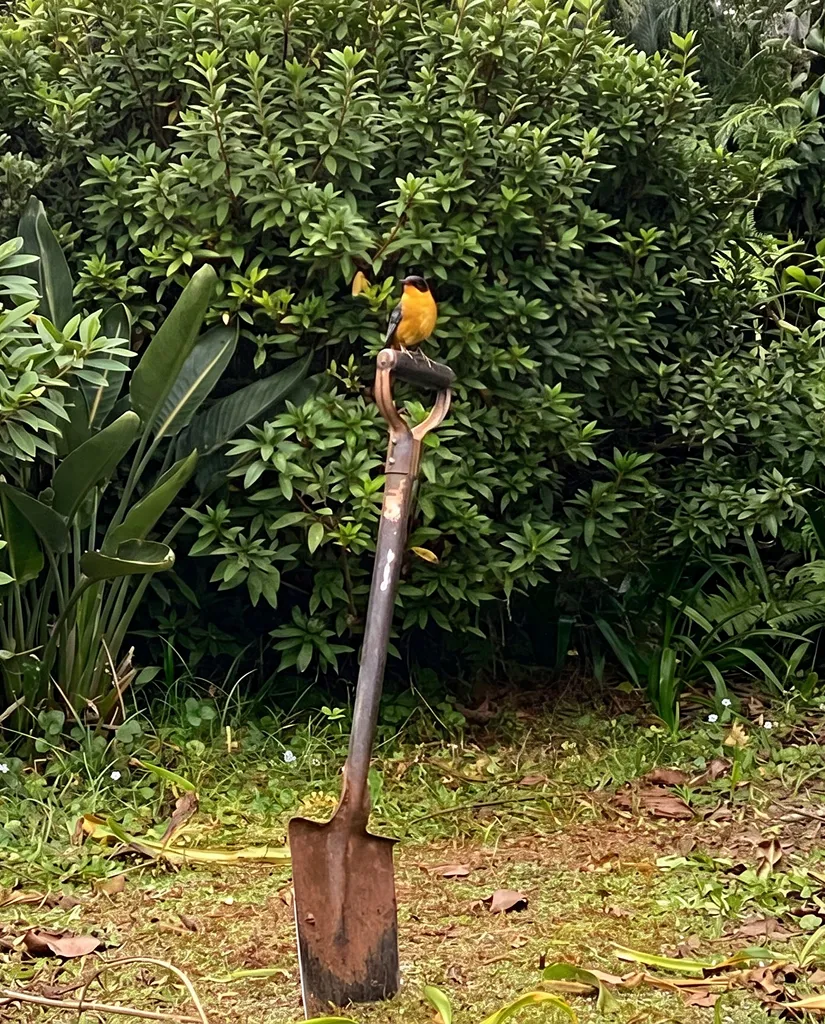
Kuhestan Bird Checklist

Guests can download a bird checklist before arrival and explore the property at their own pace, or arrange guided birding experiences with a local bird guide for expert insight into migrating and native species and their habitats. Different seasons bring changing sightings. 

The entire length of Kuhestan's boundary runs alongside the reserve, making it the only private establishment directly adjoining the forest at this point. Each morning begins with a dawn chorus of remarkable richness. A short walk from the property leads seamlessly into one of the country's most biodiverse forest ecosystems. 

Kuhestan Birds Eye View
Kuhestan Woodland

Why Woodbush? 

Birders who have visited both Woodbush and the better-known Knysna Forest consistently remark on the exceptional quality of Woodbush's birdlife. Less commercialised and less trafficked, the forest retains a density and diversity of species that makes every outing rewarding. The same ancient Afromontane forest belt that runs through the Eastern Cape and KwaZulu-Natal continues here through Limpopo, and Kuhestan sits at its northern edge.

Birders who have visited both Woodbush and the better-known Knysna Forest consistently remark on the exceptional quality of Woodbush's birdlife. Less commercialised and less trafficked, the forest retains a density and diversity of species that makes every outing rewarding. The same ancient Afromontane forest belt that runs through the Eastern Cape and KwaZulu-Natal continues here through Limpopo, and Kuhestan sits at its northern edge.

Kuhestan Woodland

Why Woodbush? 

Birders who have visited both Woodbush and the better-known Knysna Forest consistently remark on the exceptional quality of Woodbush's birdlife. Less commercialised and less trafficked, the forest retains a density and diversity of species that makes every outing rewarding. The same ancient Afromontane forest belt that runs through the Eastern Cape and KwaZulu-Natal continues here through Limpopo, and Kuhestan sits at its northern edge.

Forest Specials Regularly Observed

Forest Specials Regularly Observed

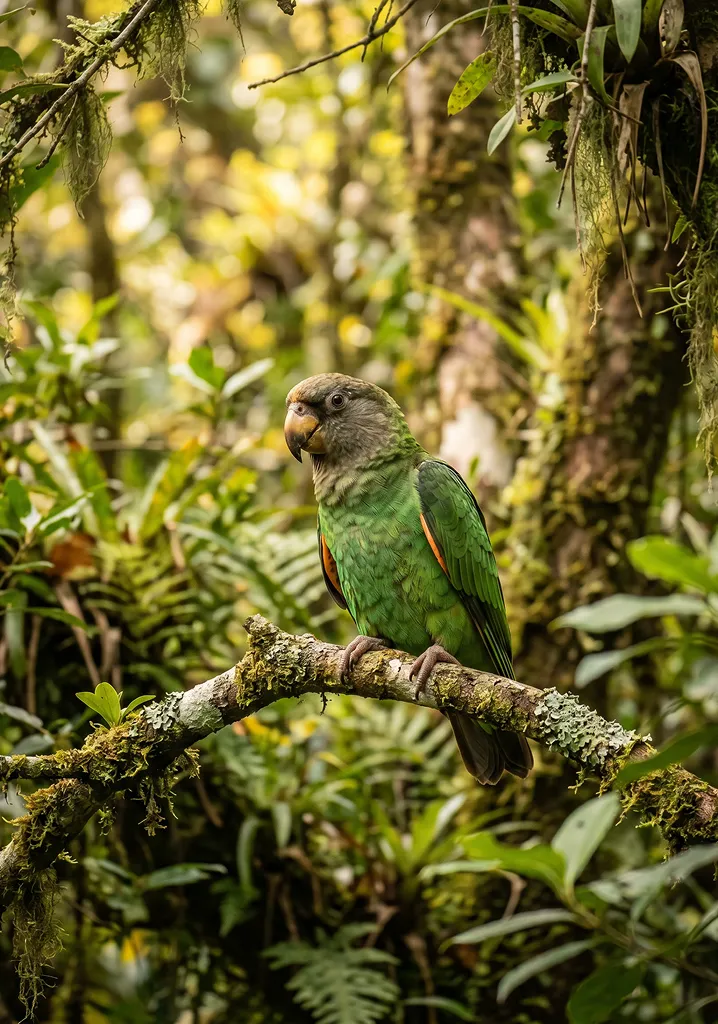
  • Cape Parrot

    Cape Parrot

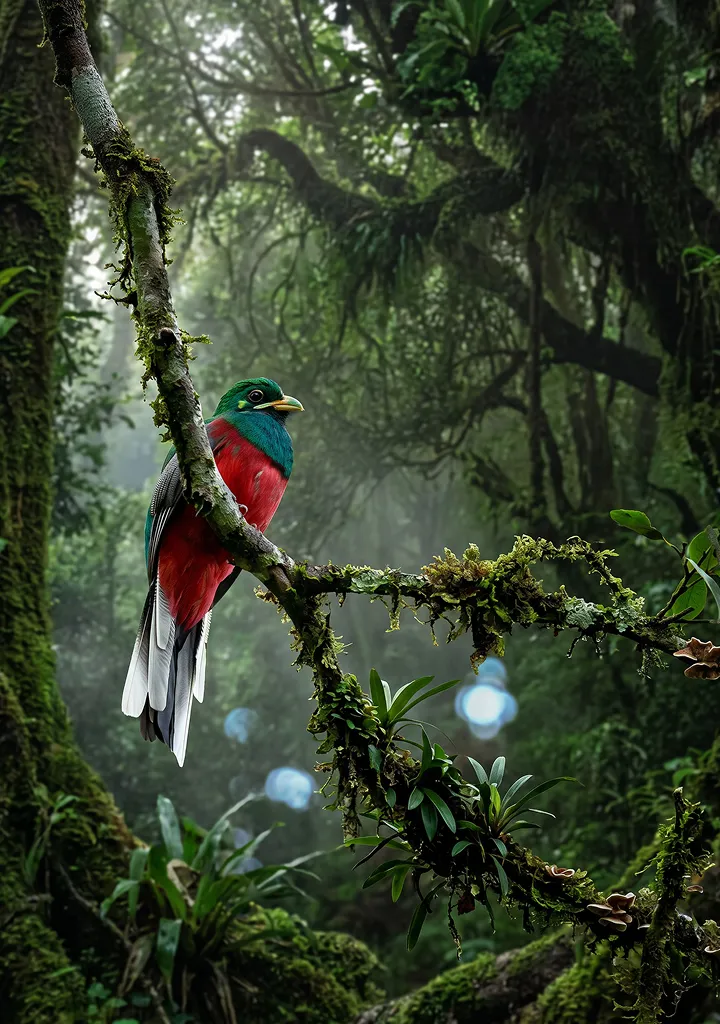
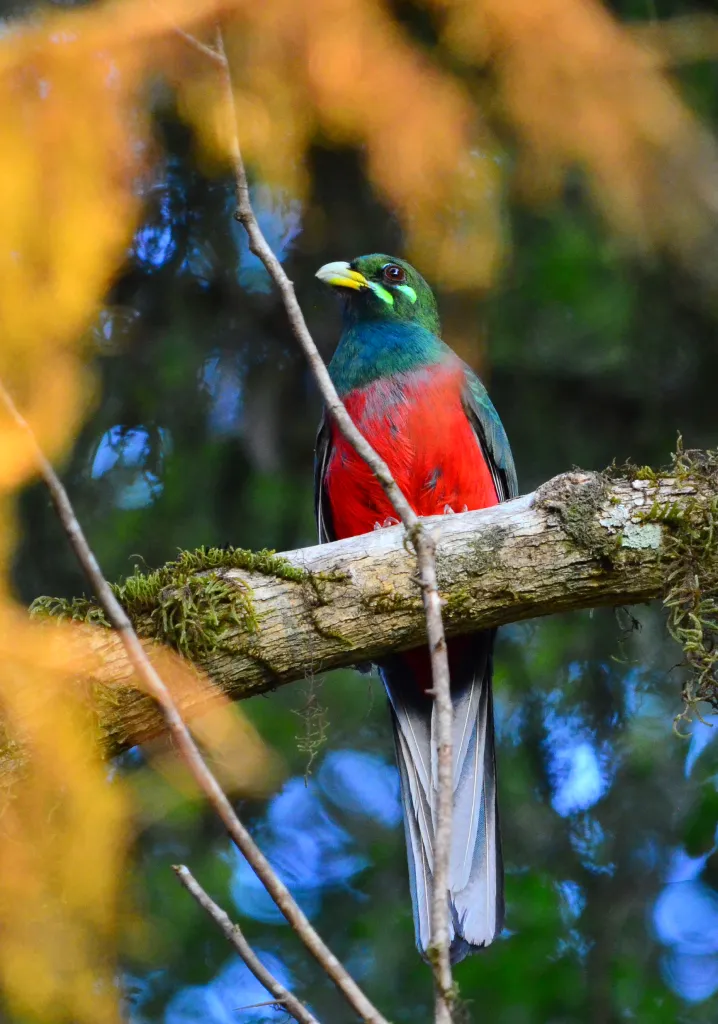
  • Narina Trogon

    Narina Trogon 

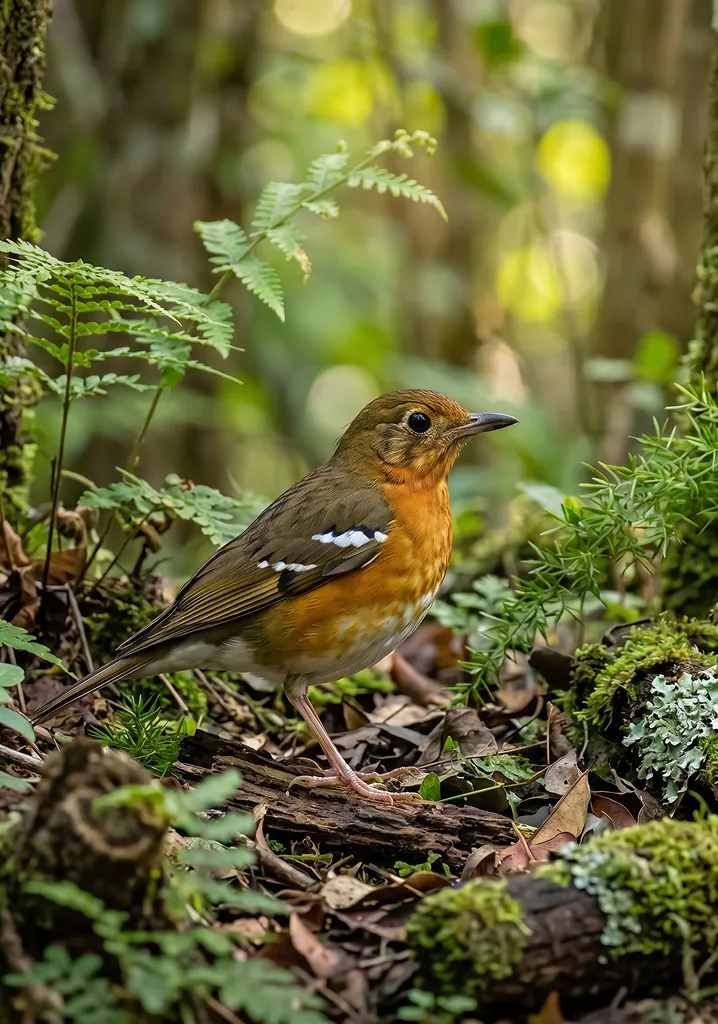
  • Orange Ground Thrush

    Orange Ground Thrush

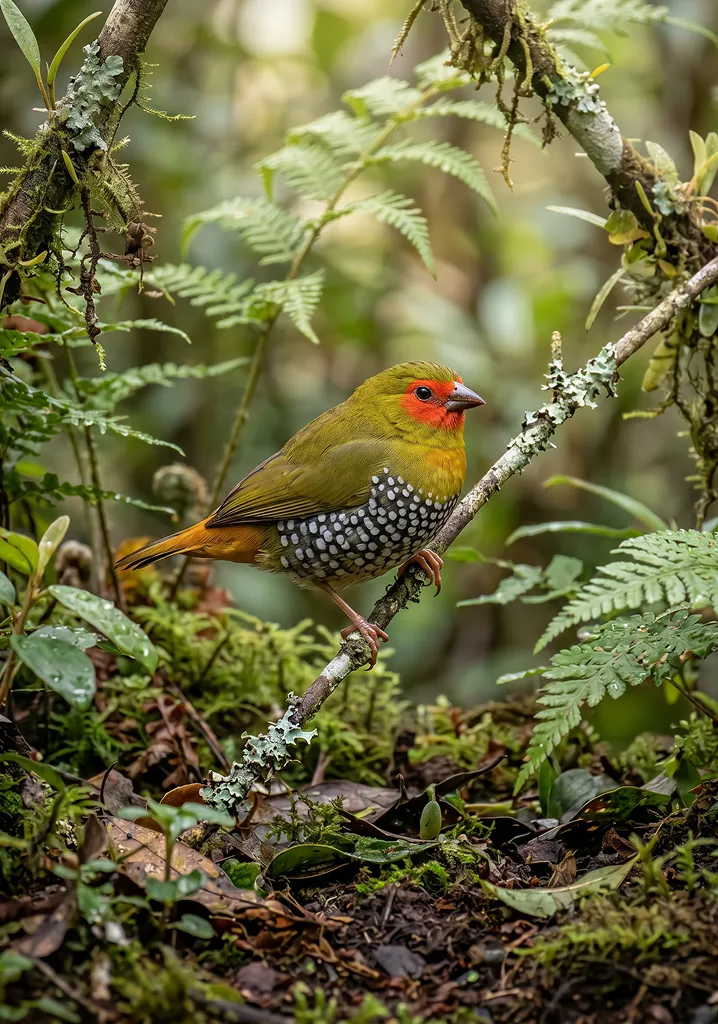
  • Green Twinspot

    Green Twinspot

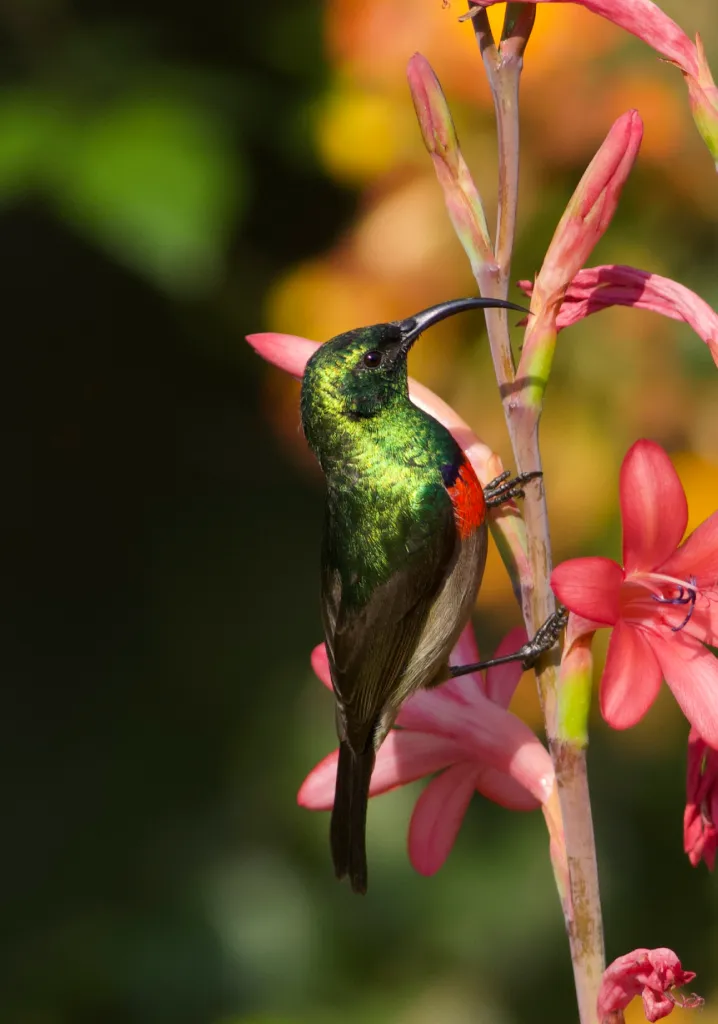
  • Southern Doule-Collared Sunbird

    Southern Double-Collared Sunbird

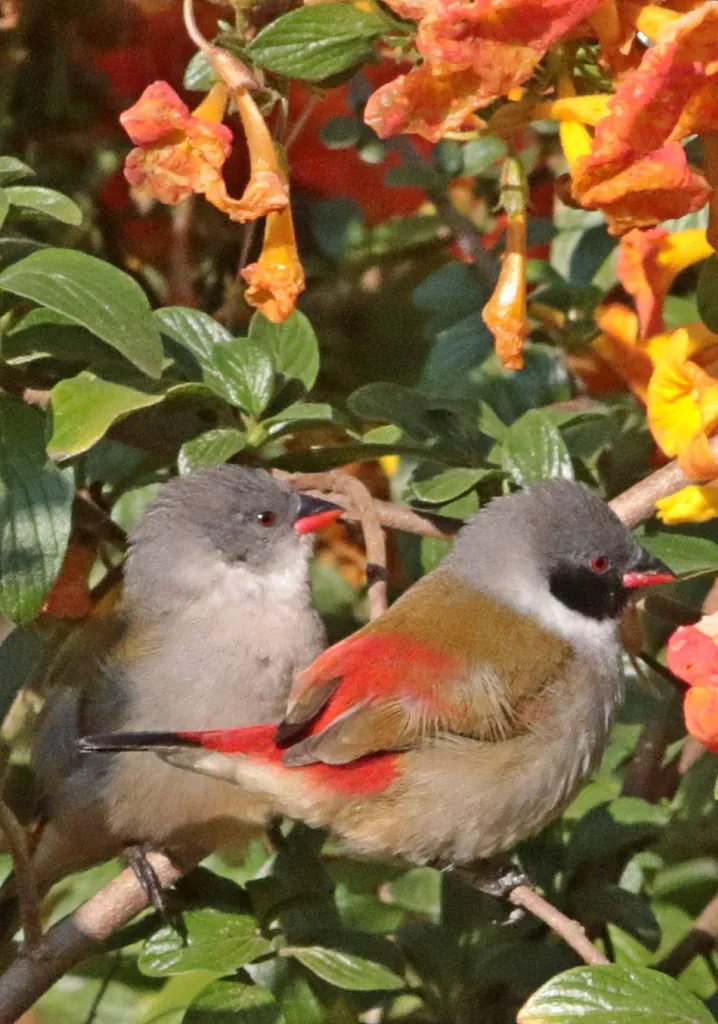
  • Swee Waxbill

    Swee Waxbill

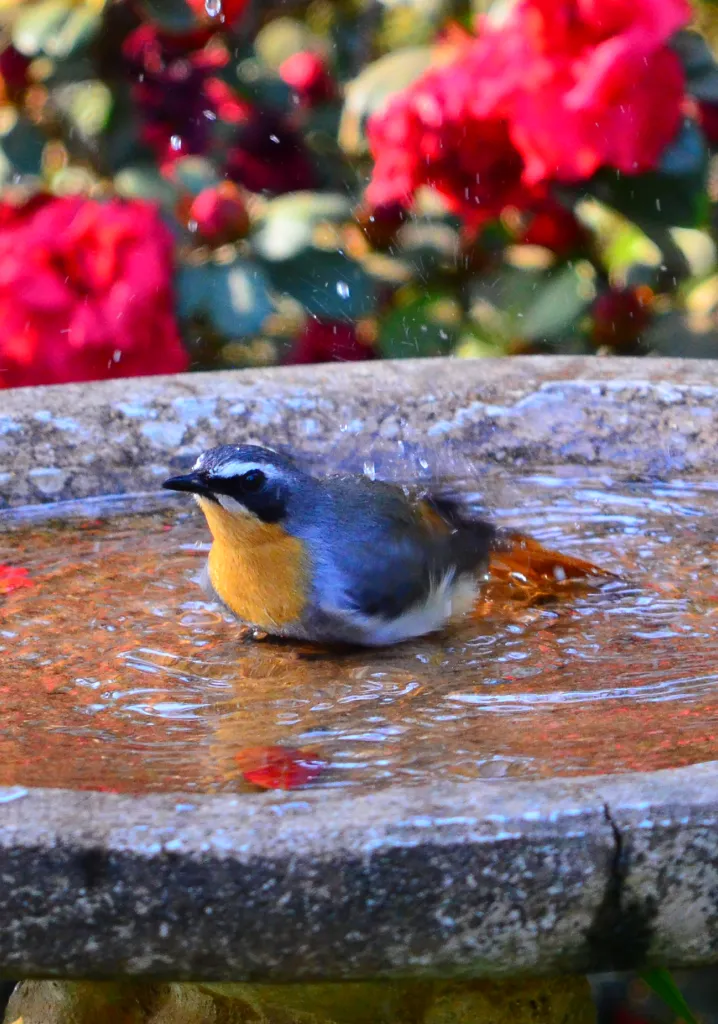
  • White-starred Robin

    White-starred Robin

  • Knysna Turaco

    Knysna Turaco

  • Chorister Robin

    Chorister Robin

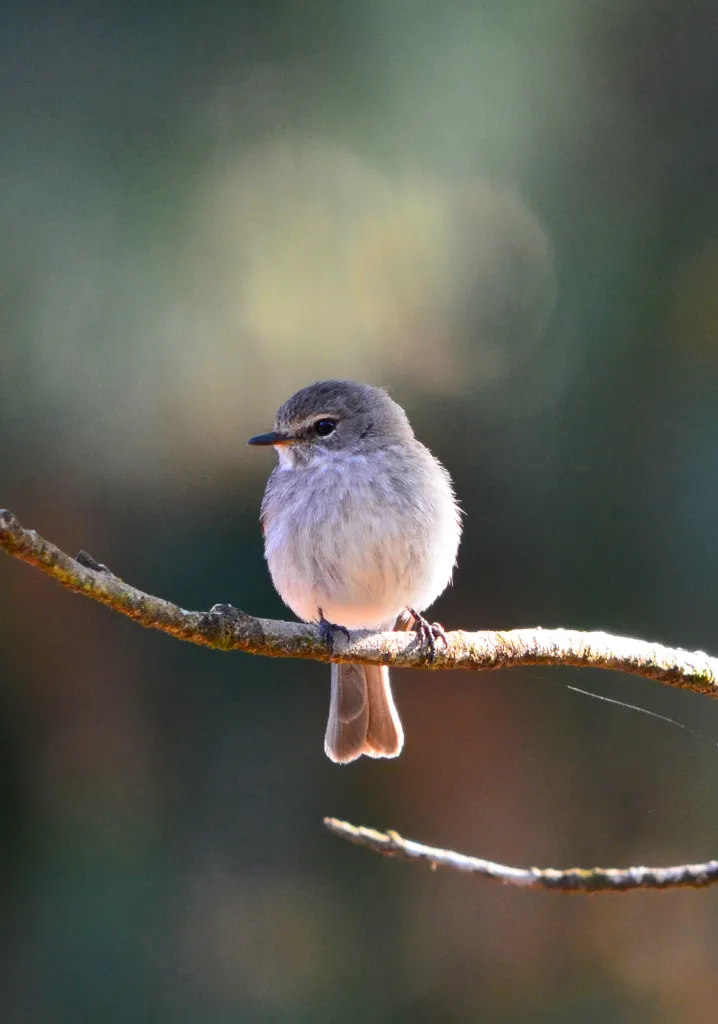
  • African Dusky Flycatcher

    African Dusky Flycatcher

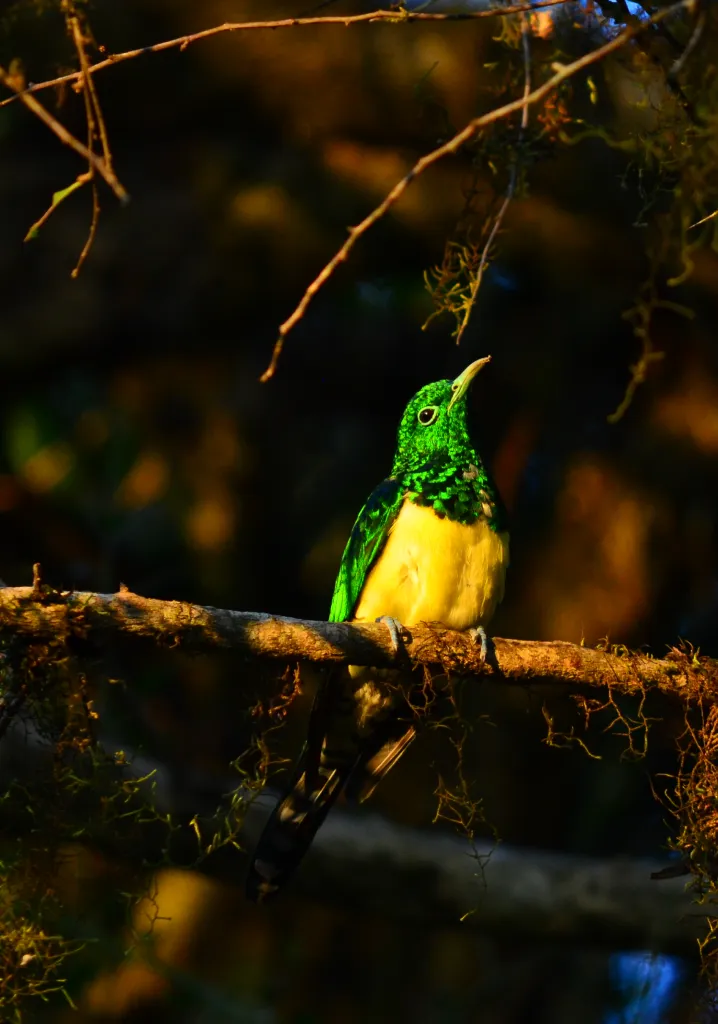
  • Emerald Cuckoo

    Emerald Cuckoo

  • Narina Trogon

    Narina Trogon

  • Cape Parrot

    Cape Parrot

  • Narina Trogon

    Narina Trogon 

  • Orange Ground Thrush

    Orange Ground Thrush

  • Green Twinspot

    Green Twinspot

  • Southern Doule-Collared Sunbird

    Southern Double-Collared Sunbird

  • Swee Waxbill

    Swee Waxbill

  • White-starred Robin

    White-starred Robin

  • Knysna Turaco

    Knysna Turaco

  • Chorister Robin

    Chorister Robin

  • African Dusky Flycatcher

    African Dusky Flycatcher

  • Emerald Cuckoo

    Emerald Cuckoo

  • Narina Trogon

    Narina Trogon

  • Cape Parrot

    Cape Parrot

  • Narina Trogon

    Narina Trogon 

  • Orange Ground Thrush

    Orange Ground Thrush

  • Green Twinspot

    Green Twinspot

  • Southern Doule-Collared Sunbird

    Southern Double-Collared Sunbird

  • Swee Waxbill

    Swee Waxbill

  • White-starred Robin

    White-starred Robin

  • Knysna Turaco

    Knysna Turaco

  • Chorister Robin

    Chorister Robin

  • African Dusky Flycatcher

    African Dusky Flycatcher

  • Emerald Cuckoo

    Emerald Cuckoo

  • Narina Trogon

    Narina Trogon

Magoebaskloof-Hiking-Trail

Access

Access

The well known Magoebaskloof Hiking Trail is approximately 600m from Kuhestan. Guests can join the trail that leads into the forest. Within a short distance of the property and in the indigenous forest, lies one of the great natural landmarks of South Africa: the tallest man-planted tree in the world, a eucalyptus planted in the early 1900s as a forestry experiment, now of such immense girth that six to eight people are needed to encircle its base. Nearby stand the three Matriarchs, ancient giants of comparable stature. 

The Magoebaskloof Hiking Trail runs through the reserve, passing numerous mountain streams and waterfalls. 

Where to Stay

Where to Stay

Studio 3 and 4 patios offer the best outlook toward the forest edge and are particularly popular with birders. Studio 1 and 2 also face the forest but are slightly set back. The Two-Bedroom Cottage, set apart in the orchard, also offers exceptional early-morning birding from its east-facing terrace. All units are within easy walking distance of the forest gate. 
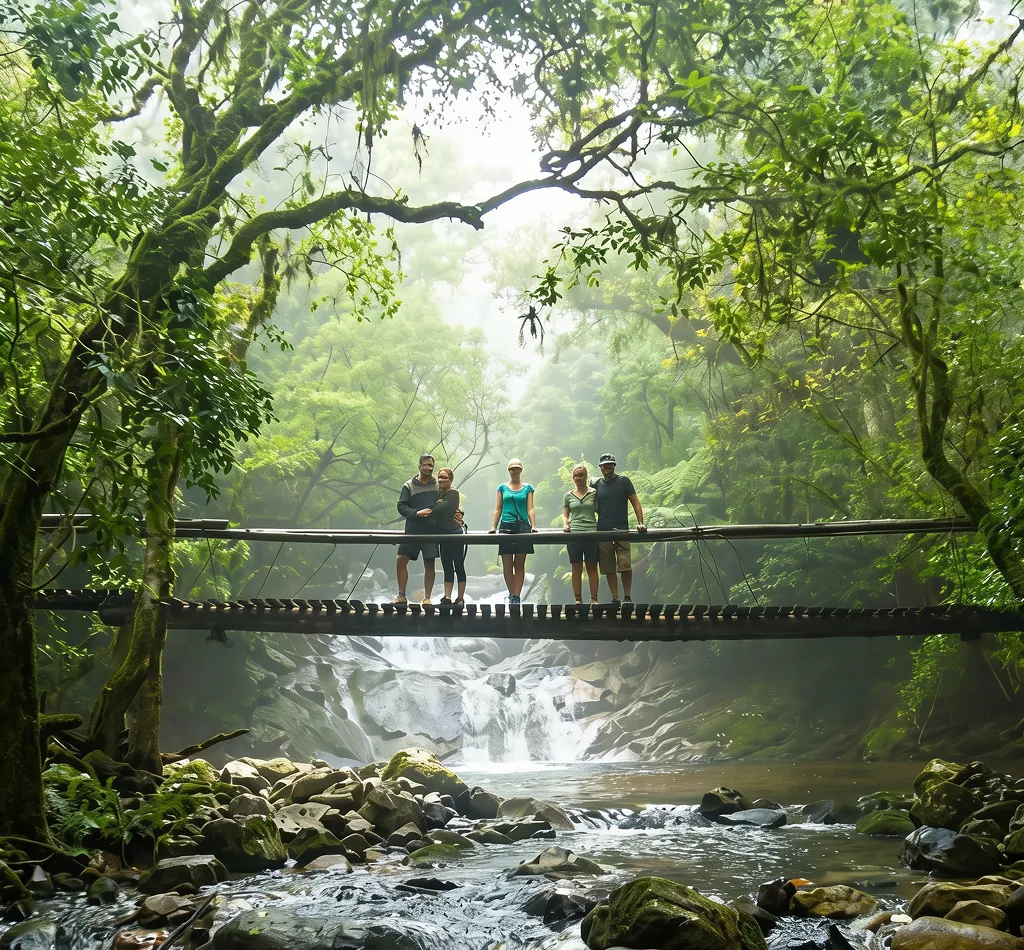
Let the forest set the pace.

Let the forest set the pace.

Spend slow mornings among rare birds, ancient trees and quiet garden paths.

Where Gardens Bloom, Rare Birds Gather and Silence Still Exists.

Where Gardens Bloom, Rare Birds Gather and Silence Still Exists.

Stay in Touch

Seasonal notes from the garden and the farm. Unsubscribe anytime.

A private nature retreat on the edge of the Woodbush Forest, Magoebaskloof.

A private nature retreat on the edge of the Woodbush Forest, Magoebaskloof.

Visit

Kuhestan Organic Farm

J22 Houtbosdorp Road

Magoebaskloof, Limpopo 0731

South Africa

Hours

Garden visits

09:00 – 12:00

Farm Shop

09:00 – 12:00

Check-in

from 14:00

Check-out

by 10:00

© 2026 Kuhestan Organic Farm.